
Agriculture Land Grading
Agricultural grading should preserve productive soil while correcting the features that interfere with water, planting or traffic. Whole-field earthmoving and a local headland repair are different jobs. Begin by distinguishing the field's productive surface from access tracks and drainage structures.
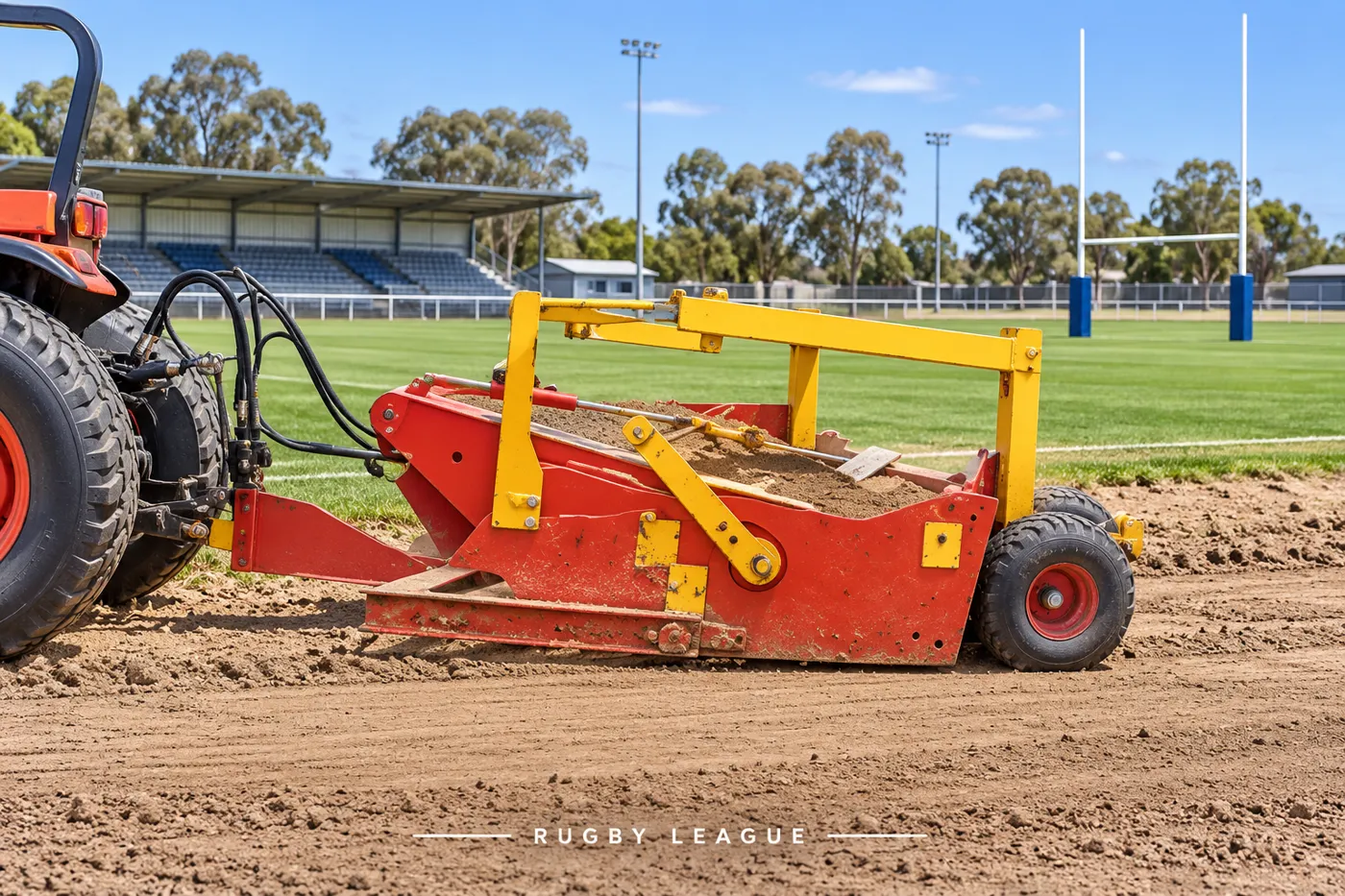
Plan the surface handover
What to verify
Compare cut depth with the available productive soil layer.
The asset determines the work sequence. Separate growing areas, structural surfaces and access routes so one grading decision does not create a defect in the next operation. Use the related application guides to turn the overall industry requirement into a specific job brief.
Do not treat an attractive finish as evidence of better yield or a promised water saving.
Continue the job brief
Include the location, existing condition, intended surface, material, available tractor and proposed dates.