Agriculture
Soil, water, traffic, crop and long-term control of the productive area.
Explore →
A practical knowledge base for farms, contractors and land managers considering an existing Dugong grader scraper for controlled landforming, maintenance and preparation.
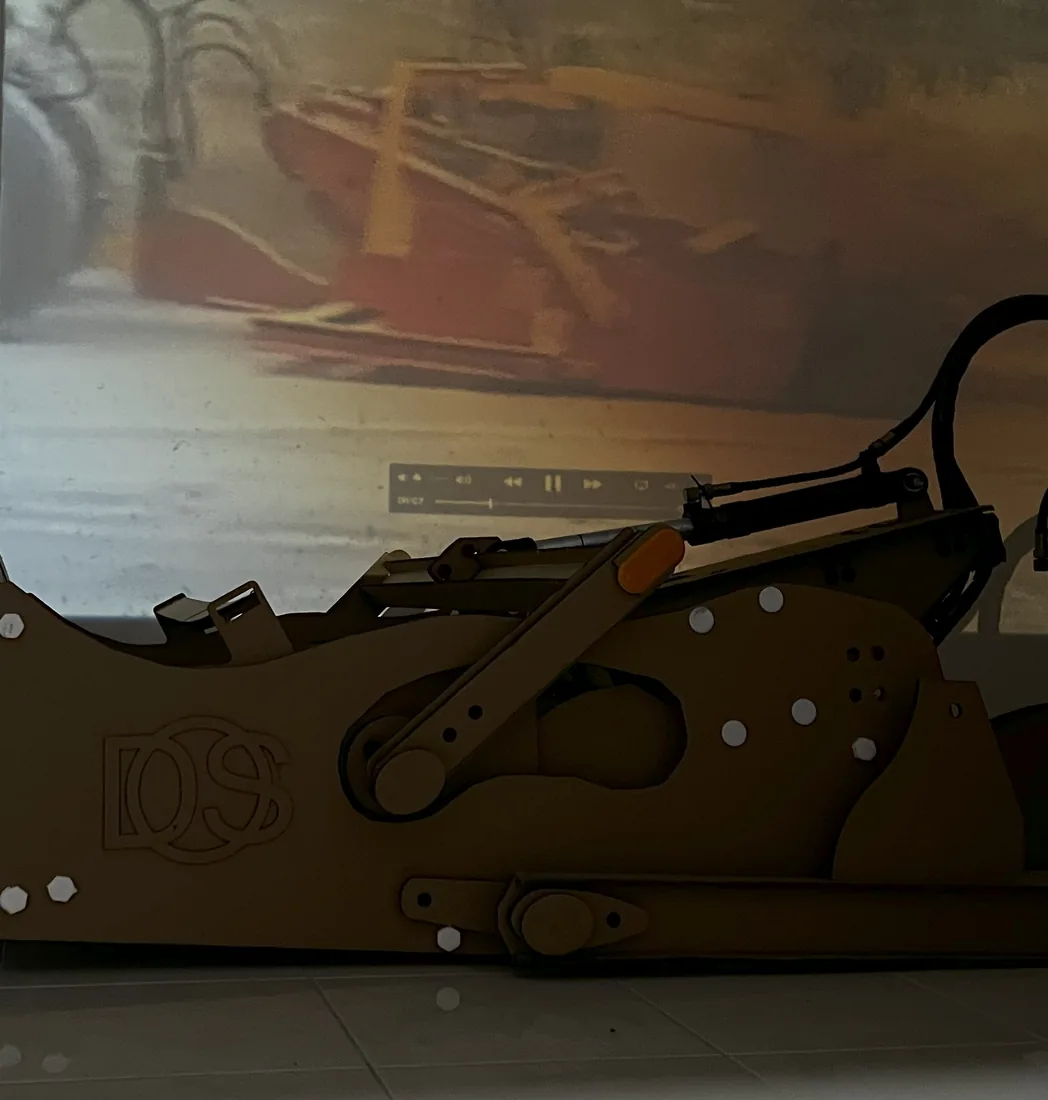
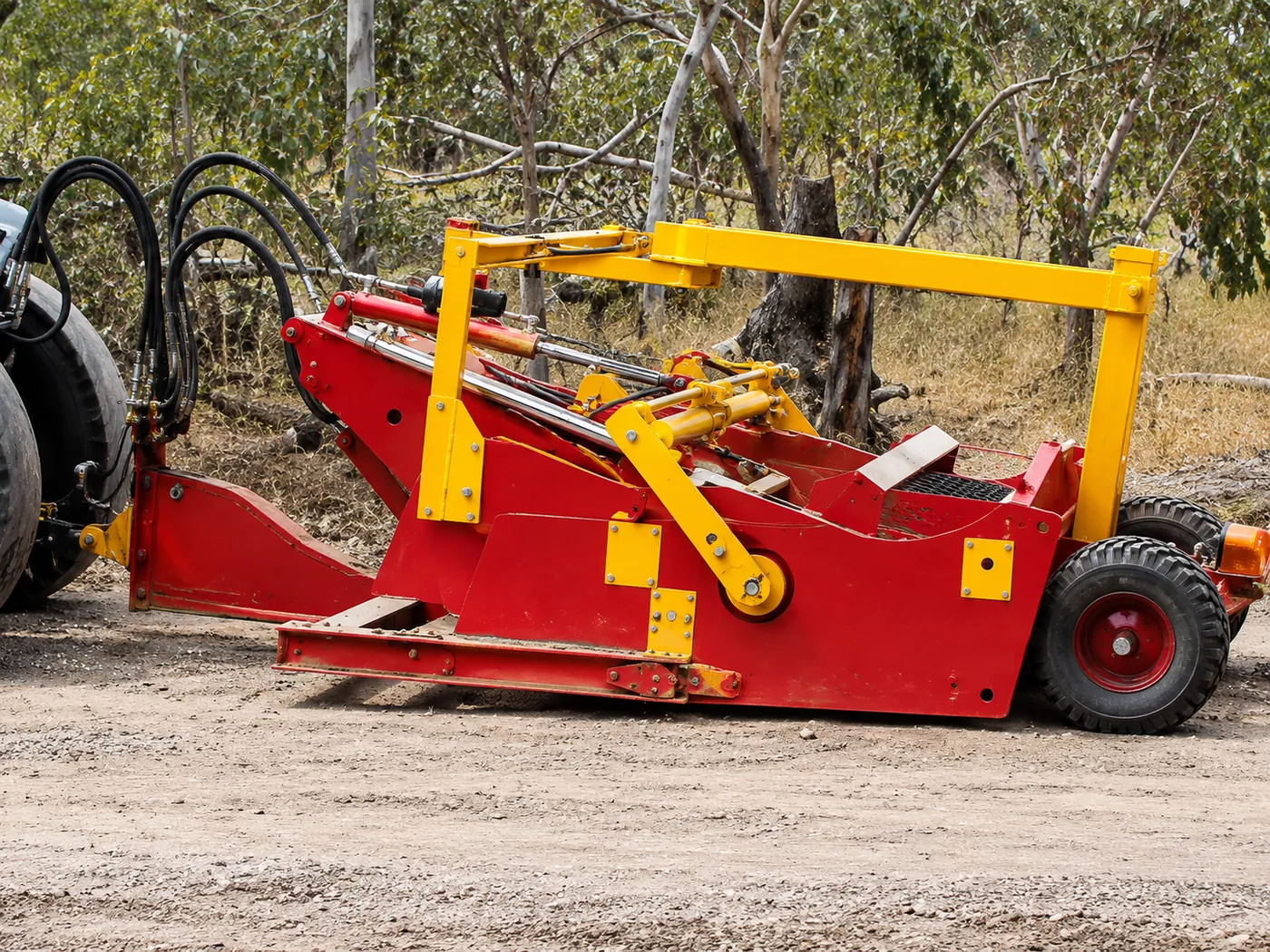
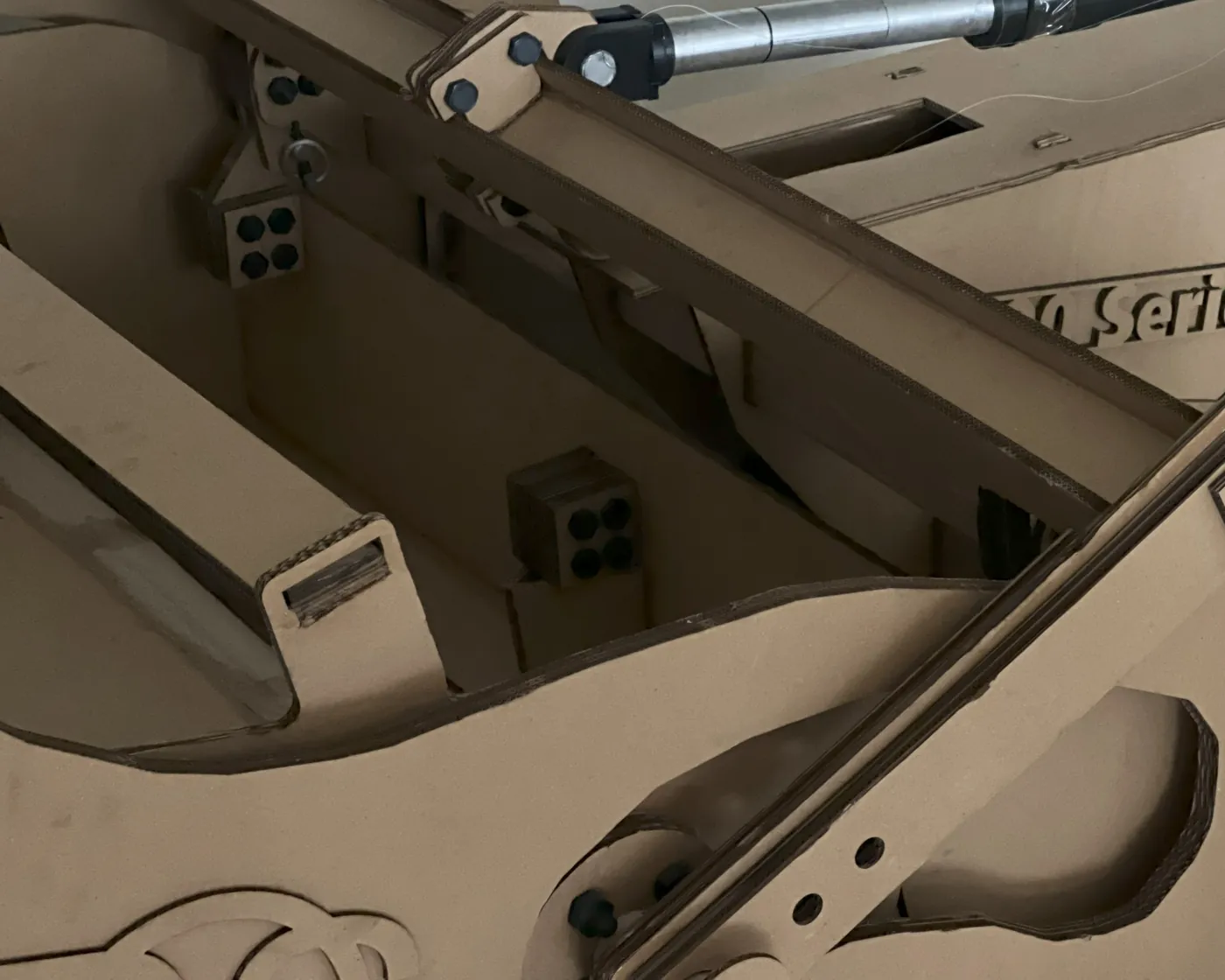
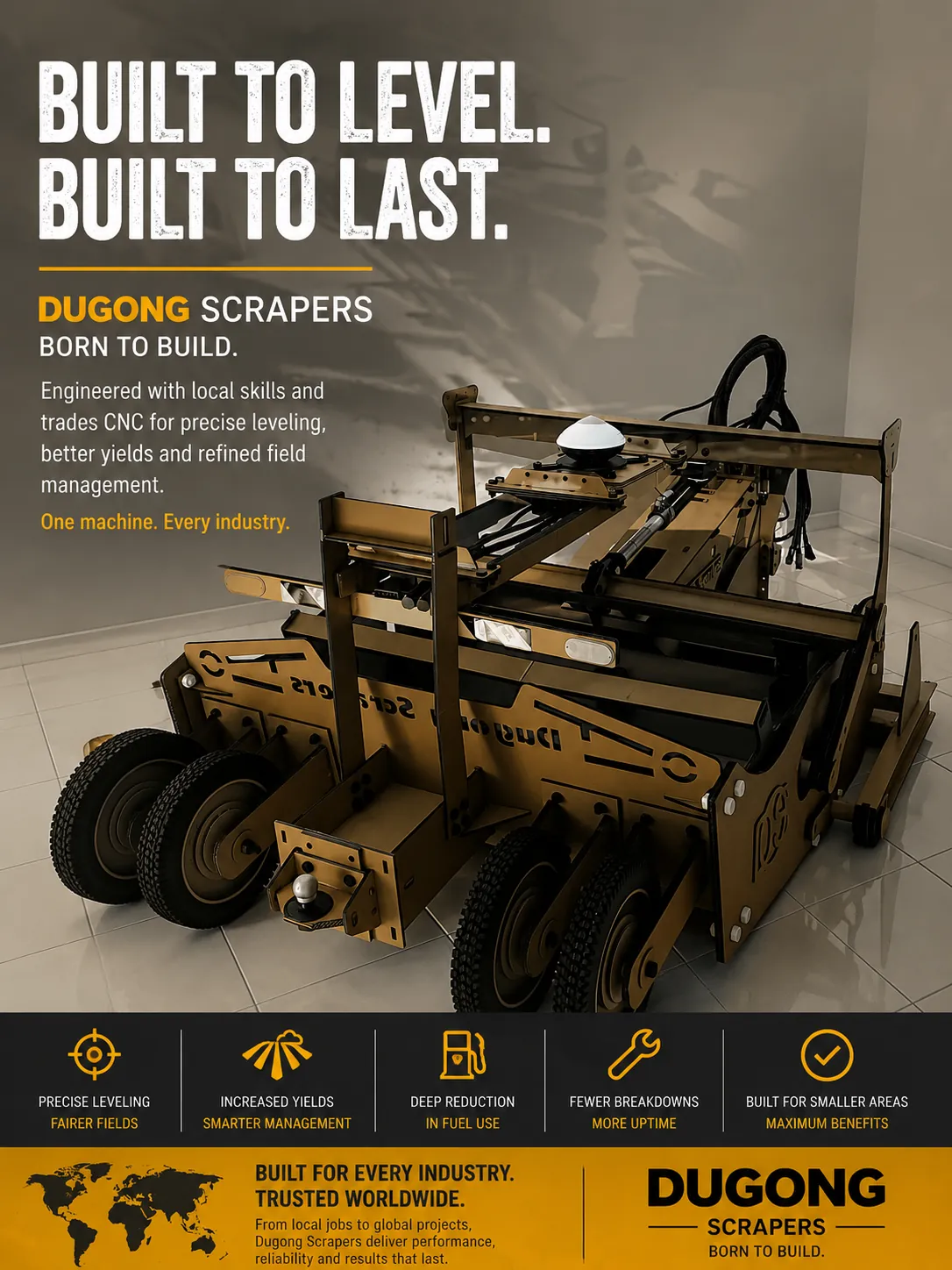
Precision has a purpose. On a farm the next step may be irrigation, planting, grazing or harvest. On a construction site it may be compaction, another layer, drainage or surfacing.
Soil, water, traffic, crop and long-term control of the productive area.
Explore →Fine grading that supports the efficiency or finished result of the next construction operation.
Explore →Surface preparation, drainage shaping and maintenance where a tractor-towed scraper suits the job.
Explore →Manage the farm or area as a system. Machinery, livestock, water, soil moisture, cultivation and time can all change it. The aim is control—not constant intervention.
Understand repeated machinery and animal traffic as part of the area’s management history.
Explore →Consider topsoil, subsoil, clay, sand, loam and transitions exposed or moved by earthworks.
Explore →Use grading and redistribution as physical tools within a broader process of building and protecting productive soil.
Explore →Existing Dugong models can serve different scales of controlled grading. Final suitability depends on tractor, soil/material, moisture, slopes, transport and the job.
Compact pathway for applications where access, machine size and manoeuvrability matter.
Explore →Intermediate pathway between the compact 900 and higher-capacity 1400 for jobs needing a balanced machine envelope.
Explore →Main higher-capacity grader scraper pathway for broader farm-to-construction applications.
Explore →A new width, weight, material or configuration is a development question for Frank’s Final Grade.
Explore →Browse by crop, problem, water objective, construction stage, road or access use, sport/turf, livestock, technology or rental decision.
Land preparation and maintenance questions differ by crop, irrigation method, soil and traffic pattern.
Explore guides →Start with the condition that needs attention, then determine whether grading is an appropriate part of the response.
Explore guides →Use level control to support a defined water-management objective—not simply to make land look flat.
Explore guides →Fine grading should help the next construction operation or the required finished product.
Explore guides →Grading, drainage and surface preparation for unsealed access and staged construction where the machine suits the material and job.
Explore guides →Controlled preparation and maintenance before soil, turf, drainage or specialised finishing stages.
Explore guides →Animal movement creates its own traffic history, especially around concentrated-use areas.
Explore guides →GPS/GNSS and laser are references used to execute a plan; they do not decide what the land should become.
Explore guides →Decision pages for customers assessing whether an existing Dugong is appropriate to rent or lease.
Explore guides →Application and problem information on this site should lead to the appropriate machine in the three-model Dugong family.
Follow the work requirement to the appropriate Dugong 900, 1200 or 1400, then continue to rental and leasing information. Appropriate parts and accessories can be found at the Dugong shop.
For planning purposes, Dugong uses a worked operating baseline of approximately 10 m³/hour material movement and approximately 5.5 L/hour tractor fuel under the stated reference scenario. These are planning examples rather than guaranteed outputs. See the transparent calculations, haul assumptions and landforming examples in the Productivity & Economics centre.